

Science & MRV
NuWa develops ocean alkalinity enhancement projects with measurement, uncertainty, and environmental monitoring built in from the beginning.
The science behind OAE
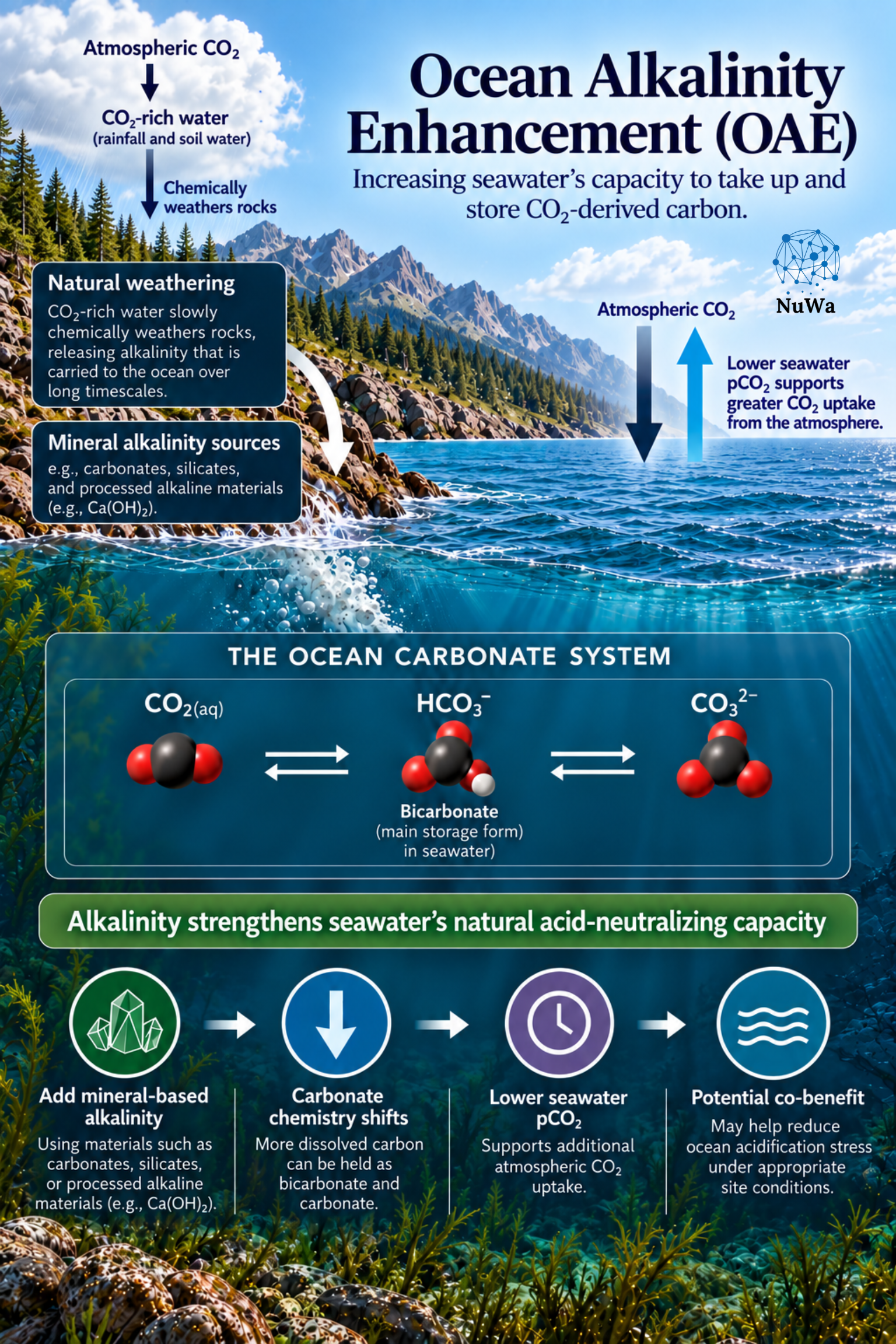
Ocean alkalinity enhancement increases seawater’s capacity to store carbon dioxide.
IIn seawater, carbon exists mainly as dissolved CO₂, bicarbonate, and carbonate. Adding mineral-based alkalinity increases seawater’s buffering capacity and lowers seawater pCO₂ relative to the atmosphere.
Alkalinity is the ocean’s chemical shock absorber.
Total alkalinity measures seawater’s capacity to neutralize acidity. In the ocean, this buffering capacity is provided mainly by bicarbonate and carbonate ions.
But carbon removal cannot be assumed from alkalinity addition alone.
A credible OAE project must measure the chemical response, understand the movement of water, separate project-driven change from natural variability, and account for uncertainty.
The NuWa MRV approach
Baseline first
Understand natural variability before interpreting project effects.
Measure what matters
Track carbonate chemistry, environmental conditions, and site-specific indicators.
Account for uncertainty
Use conservative interpretation, quality control, and transparent assumptions.
Design for review
Build monitoring plans that can be evaluated by scientists, partners, buyers, and regulators.
Monitoring the carbon-removal signal
NuWa monitors the chemistry, physics, and environmental context needed to determine whether project-driven changes are measurable, attributable, and suitable for future verification.
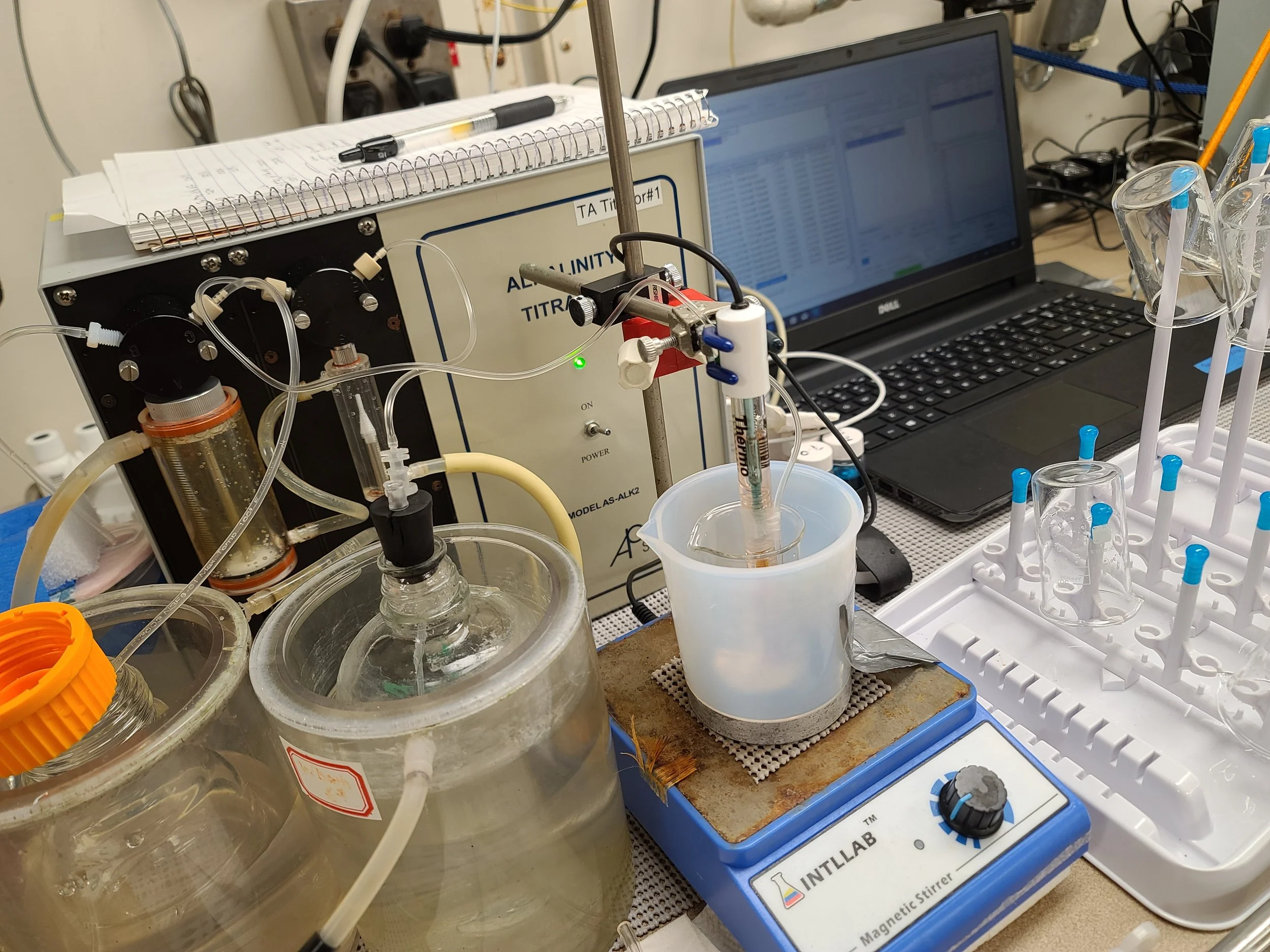
Total alkalinity
Tracks the primary carbonate-system variable targeted by OAE.
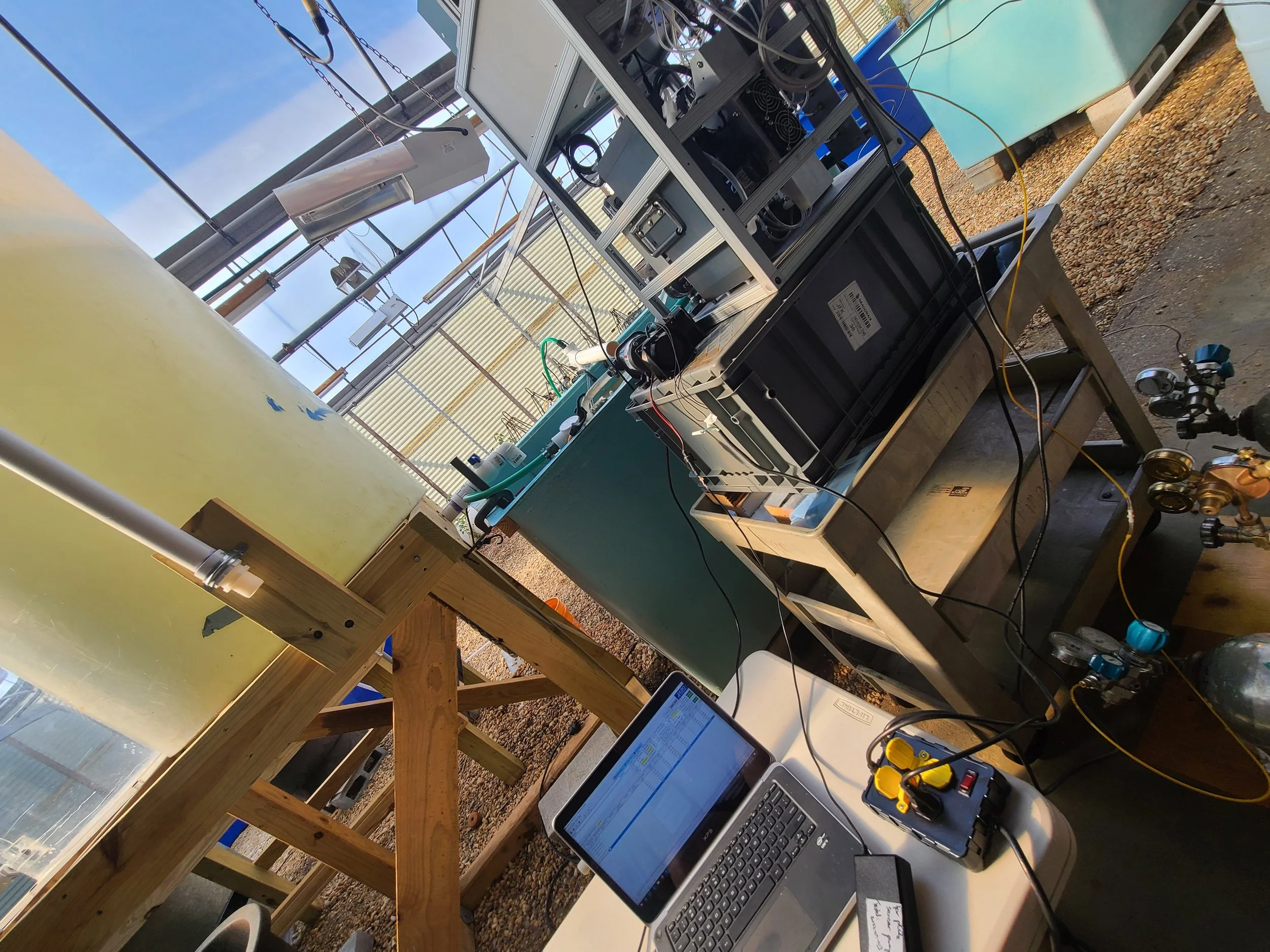
Carbon-system response
Evaluates how pH, DIC, pCO₂, and related carbonate chemistry shift in response to alkalinity addition.
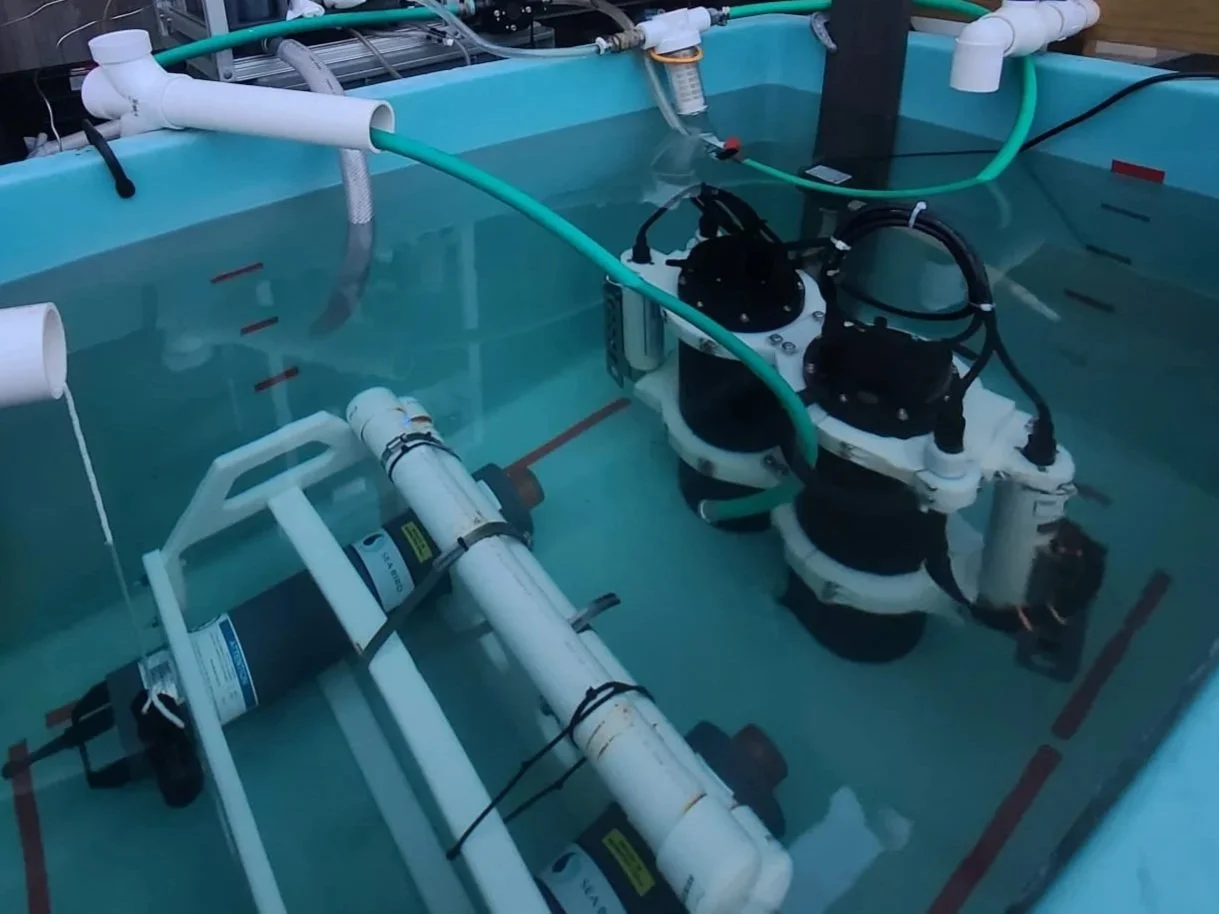
Physical context
Uses salinity, temperature, tides, and mixing to interpret chemistry in a changing coastal environment.
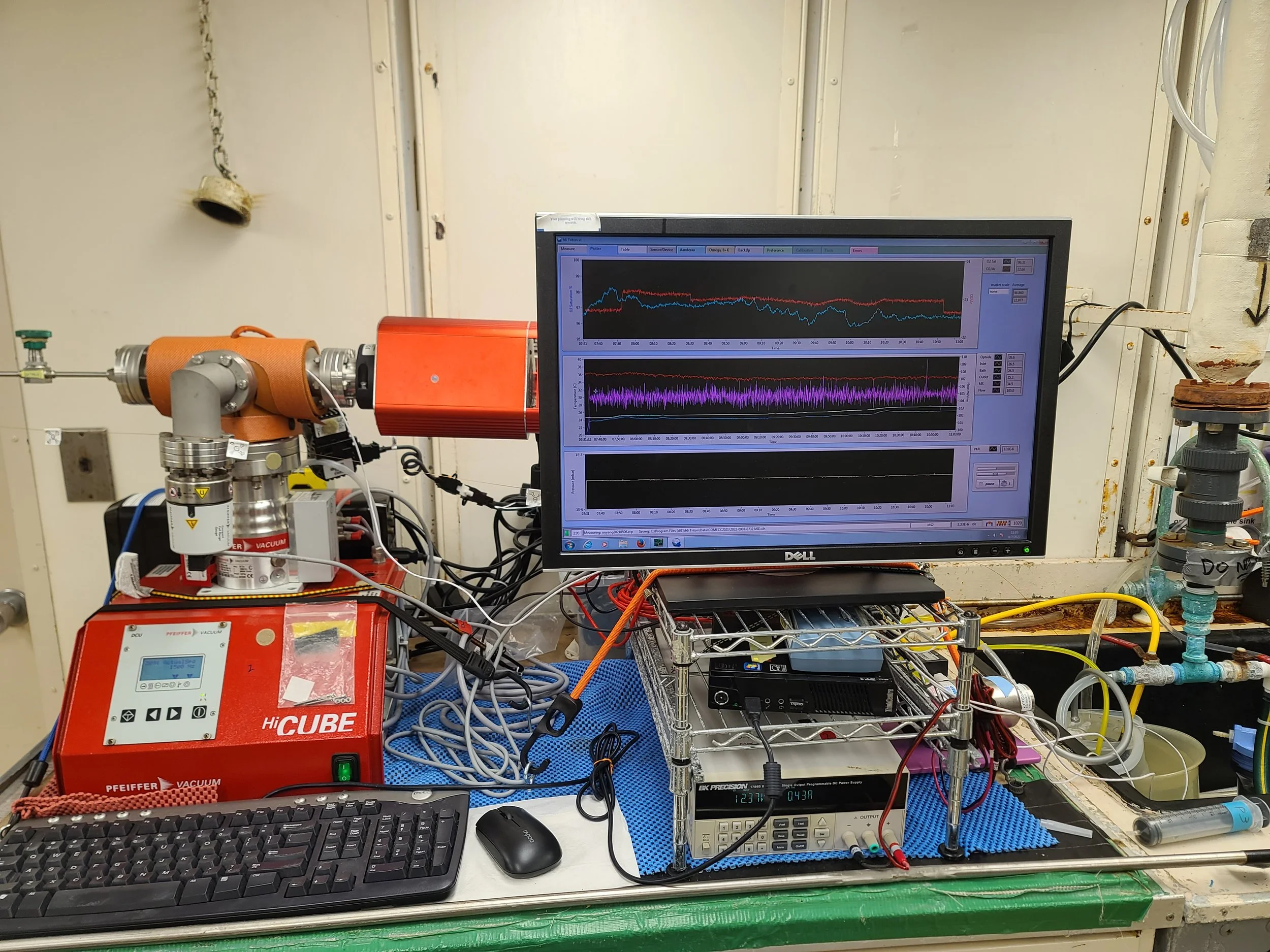
Environmental response
Tracks oxygen, water quality, and biological context to support safeguards during pilot activity.
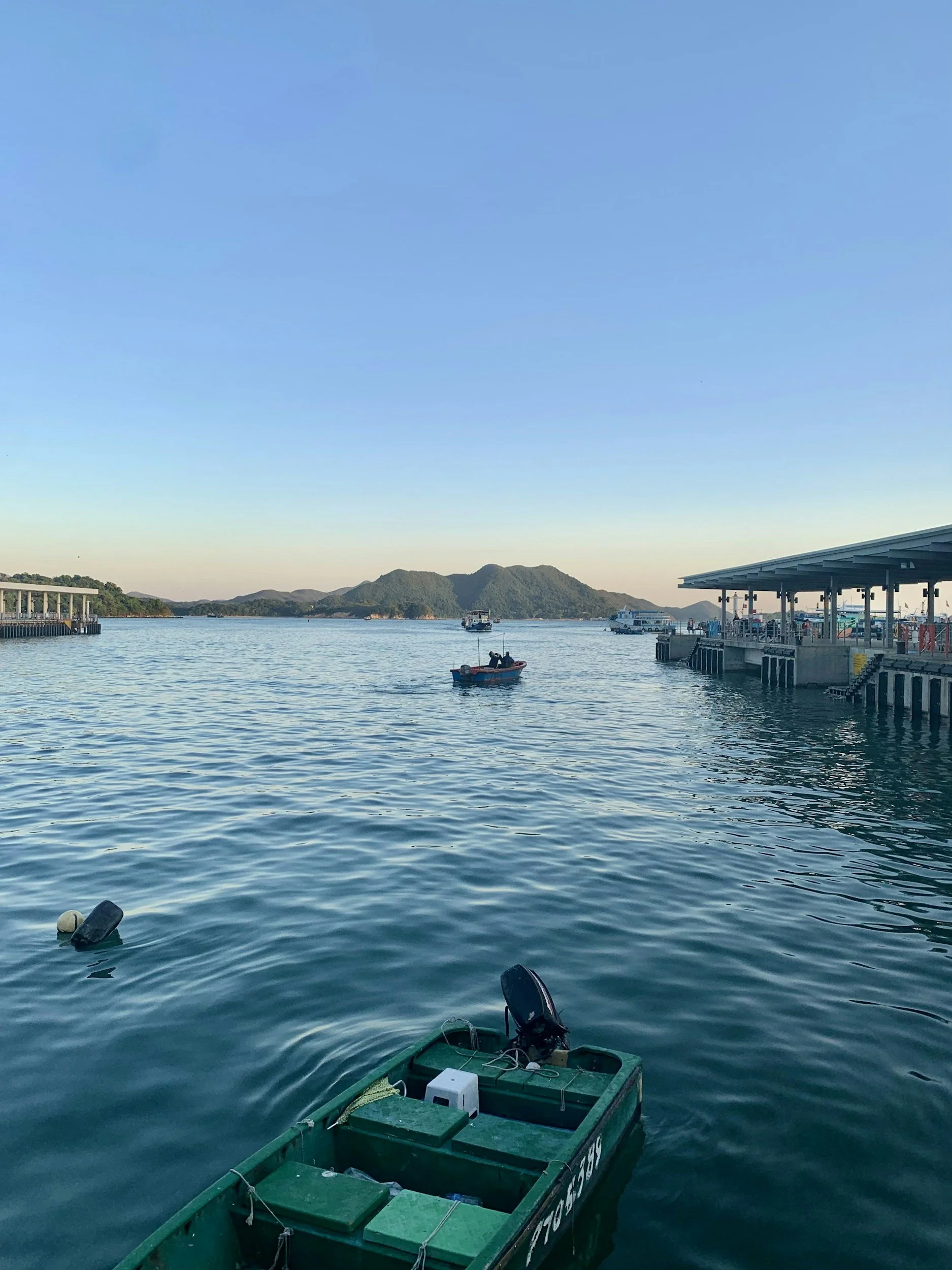
Site dynamics
Assesses circulation, residence time, baseline variability, and monitoring access.
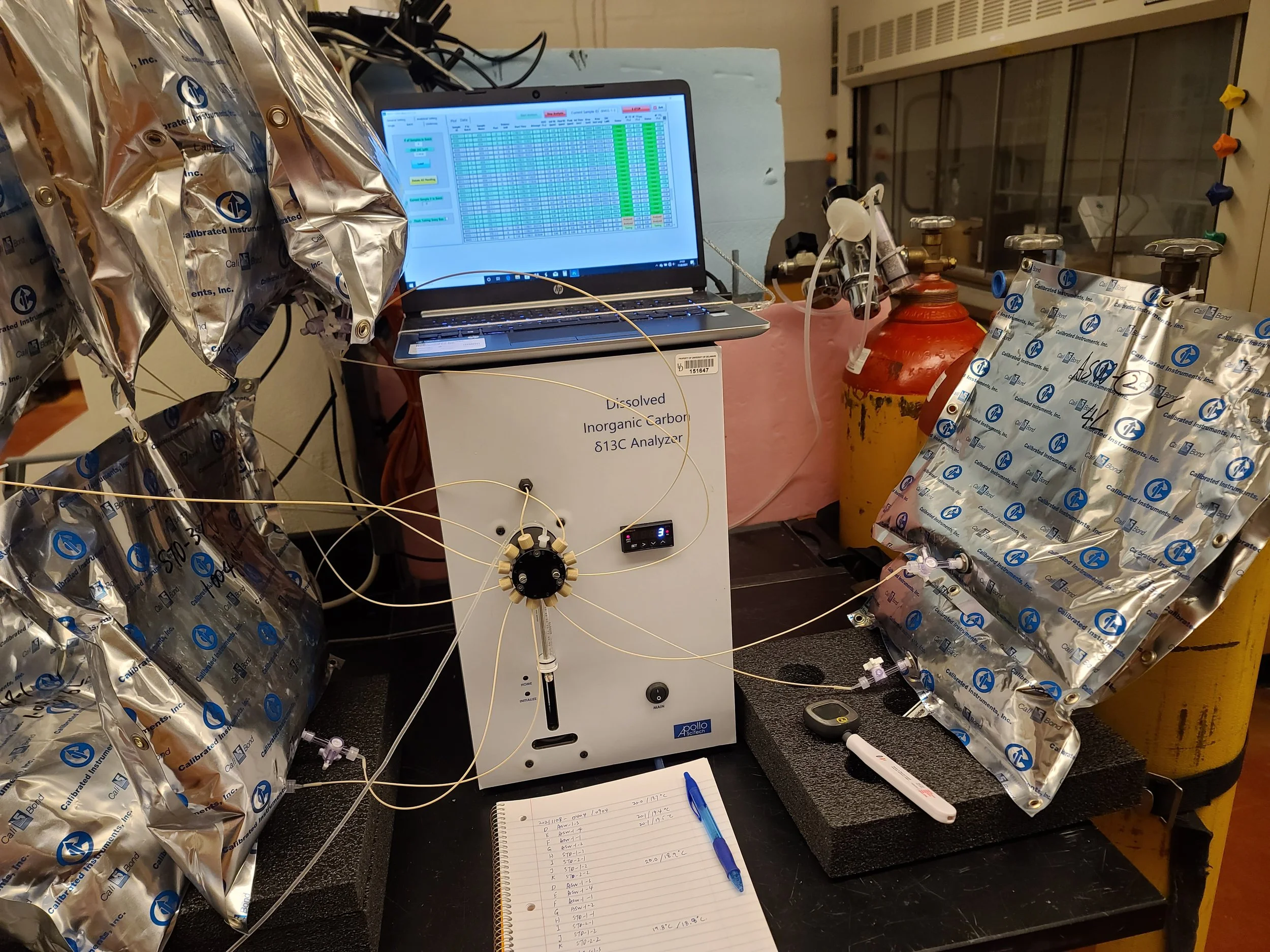
Attribution & uncertainty
Evaluates whether observed changes are project-driven, measurable above background variability, and suitable for review.
MRV is not only about carbon accounting
For marine carbon removal, monitoring must also support environmental safeguards, operating limits, and responsible decision-making.
NuWa designs early projects around conservative pilots, predefined monitoring needs, clear stop-rules, and honest communication of uncertainty.
This is what separates credible project development from overclaimed deployment.
Built for scientific review
NuWa’s science and MRV work is designed to make coastal carbon removal measurable, reviewable, and trusted before larger deployment is considered.
MRV connects chemistry to a defensible carbon-removal claim.
NuWa develops projects around carbonate chemistry, baseline monitoring, physical context, quality control, uncertainty assessment, and transparent reporting.
Carbon removal should not be claimed because alkalinity was added. It should be claimed only when the chemistry, monitoring, attribution, and uncertainty support it.